Program
Behavioral Rehabilitation: We Don't Give Up on Complicated Dogs
Some dogs arrive carrying histories that show on them. Our behavioral rehabilitation program gives them the time, training, and patience to become who they were always meant to be.
Why This Program Matters
Dogs with behavioral histories — fear, reactivity, trauma — are the first to be overlooked and the last to be adopted. Most shelters simply don't have the time or capacity to work with them. We do.
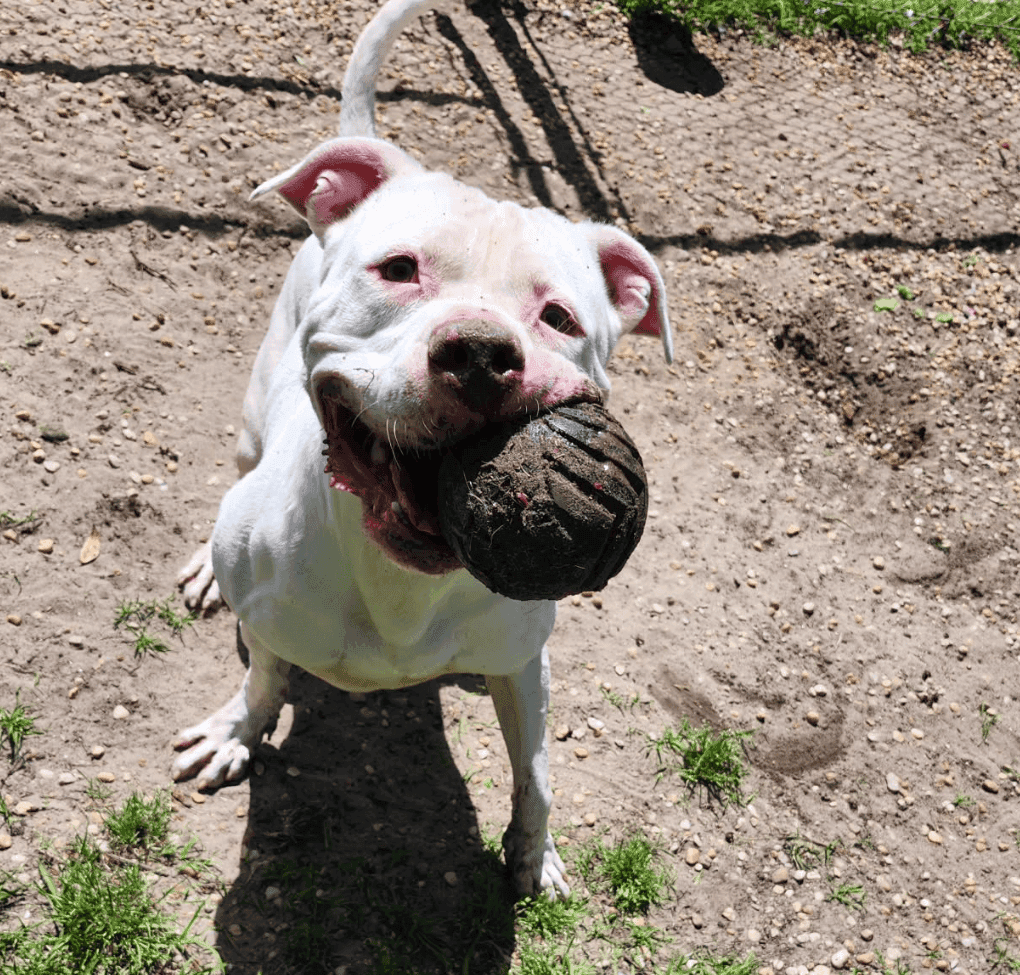
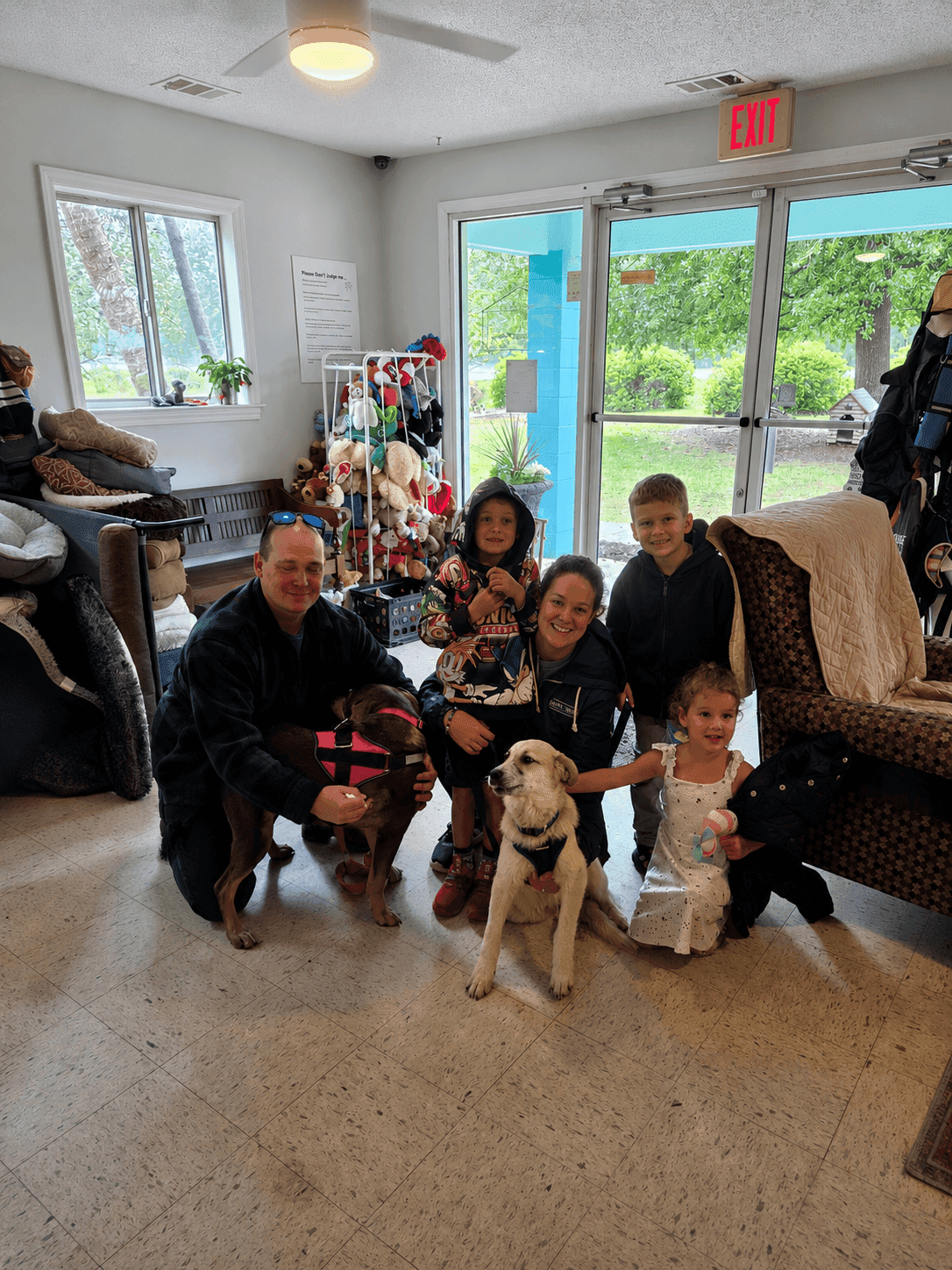
These are the dogs that end up on death row not because they are dangerous, but because they are complicated. Complicated is not hopeless. Gus came to us from death row in Montana. Today he is thriving in a home.
Fear, anxiety, and shutting down
Reactivity and leash aggression
Trauma history from abuse or neglect
Separation anxiety from loss of a home
Behavioral flags from overcrowded shelters
Who This Program Helps
Dogs who have been labeled unadoptable, passed over, or surrendered because their behavior made placement seem impossible. Dogs who simply need more time and consistency than a standard shelter can provide.
It also helps adopters — because a dog that has been properly assessed, rehabilitated, and matched is a dog set up to succeed in the home, not returned in two weeks.
How It Works
1
Dogs are assessed individually when they arrive. We learn what they're reacting to, not just what they're doing.
2
A decompression period comes before any formal training begins. Some dogs need days; some need weeks. We don't rush it.
3
Force-free, reward-based training is introduced at the dog's pace, building trust as the foundation.
4
Placement is taken seriously. We look for adopters prepared to continue the work — not just willing to take a dog home.
5
Post-adoption training support is available for every dog that goes through this program.
Interested in adopting a rehabilitation dog?
If you're ready for a dog that needed a little more time — and will love you for it — we'd love to talk.